
Buyers need to understand the room before they can imagine living in it. That gets harder when the furniture, lighting and twenty years of souvenirs are competing for their attention. After 17 years working with Bay Area buyers and sellers, I tend to start with clarity—not a shopping list for a full renovation.
1. Let the buyer see the space
Pack away personal photographs, collections and highly specific decor if you are comfortable doing so. The goal is not to erase your life; it is to reduce distractions so buyers can see the room’s size and function. Keep useful furniture and a little warmth. A blank canvas does not have to mean an empty room.

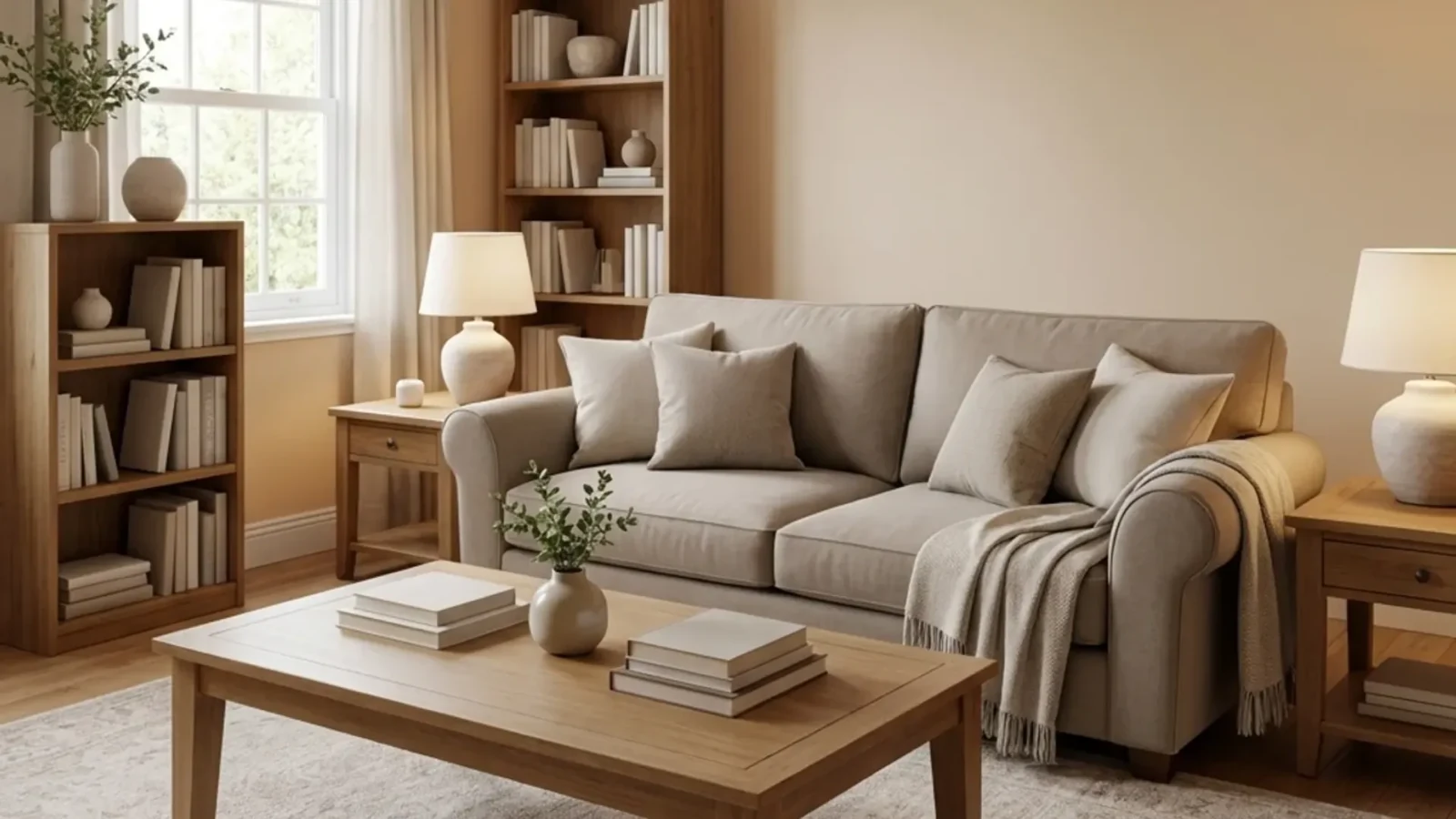
2. Make the lighting consistent
Clean windows, open blinds where appropriate and replace mismatched or failed bulbs. Warm-white lighting around 3000K can be a useful starting point, but check how it looks in the actual room. More light is not always better if it creates glare or makes every surface look a different color.
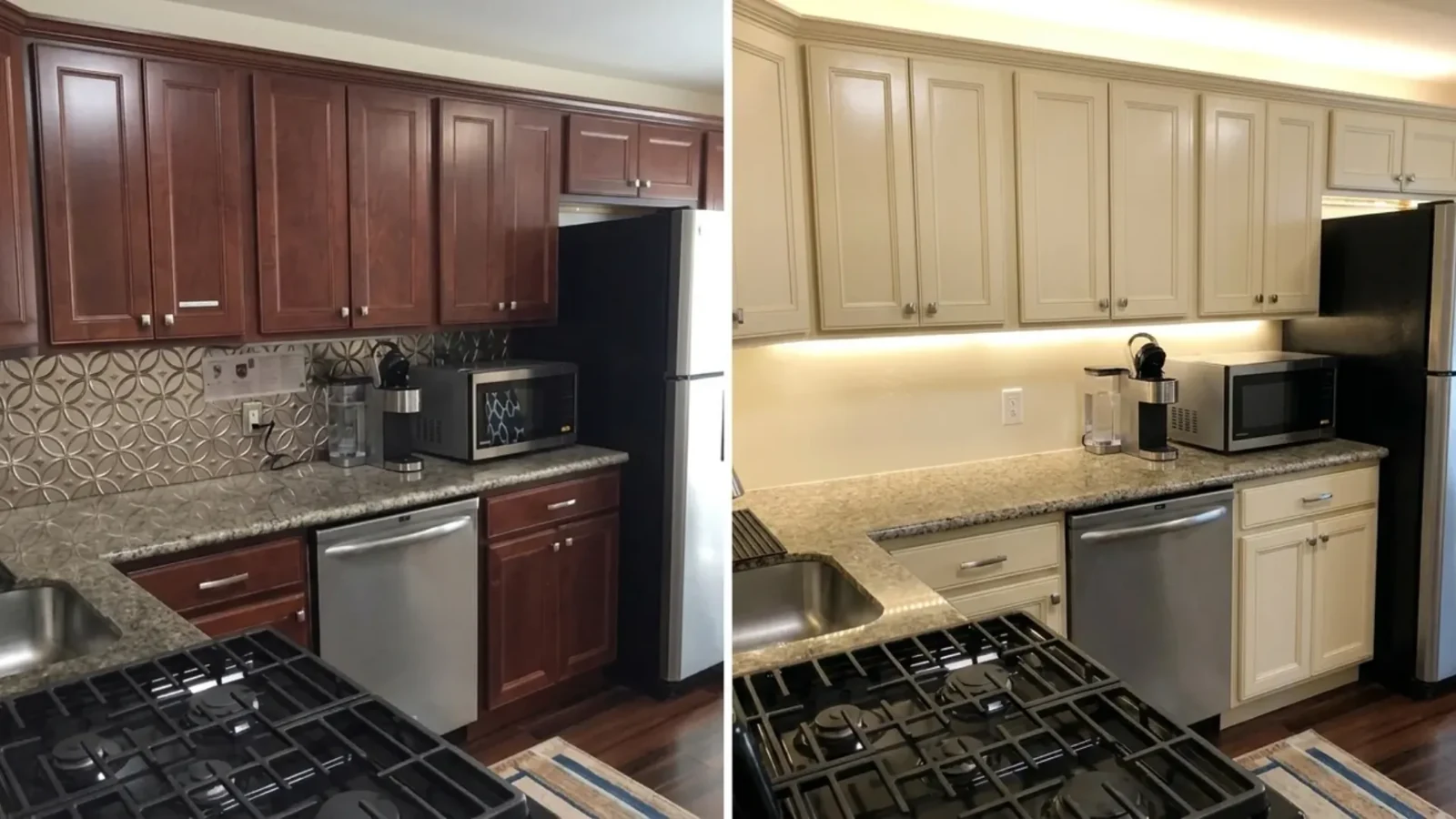
3. Show that the exterior is cared for
Clean the approach, tidy planting beds and check the front door, lighting and house numbers. Fresh mulch or a modest paint touch-up may make sense; major landscaping may not. The useful question is whether a buyer can arrive, find the entrance and see a maintained home—not whether we can turn the yard into a magazine cover.


4. Give the bathroom a clean reset
Clear counters, clean surfaces, repair small obvious problems and use fresh towels and a clean shower curtain where needed. Buyers should be able to inspect the room without navigating your daily routine. Cleaning and presentation do not replace fixing a leak or disclosing a known issue.
5. Let the furniture show the floor plan
Try removing a piece that blocks a path or makes the room feel crowded. The original guide’s minus-one idea is a useful experiment, not a requirement for every room. Keep enough furniture to explain the space and avoid replacing a comfortable room with an obstacle course.
Spend with a plan
I would walk through the house, prioritize what buyers are likely to notice and price the proposed work before you approve it. Sometimes a smaller preparation plan is the sensible one. We can aim for a better presentation without pretending every dollar spent comes back with a bonus.
Frequently asked questions
Do I need professional staging?
It depends on the home, whether it is occupied, the furniture you have and the budget. Compare a proposal with a simpler preparation plan.
Should I remodel the kitchen before selling?
Not automatically. Consider condition, cost, disruption and comparable homes first. A renovation may not return its full cost.
Does staging guarantee a higher offer?
No. It can help communicate the home’s spaces, but price and buyer response depend on many factors.